

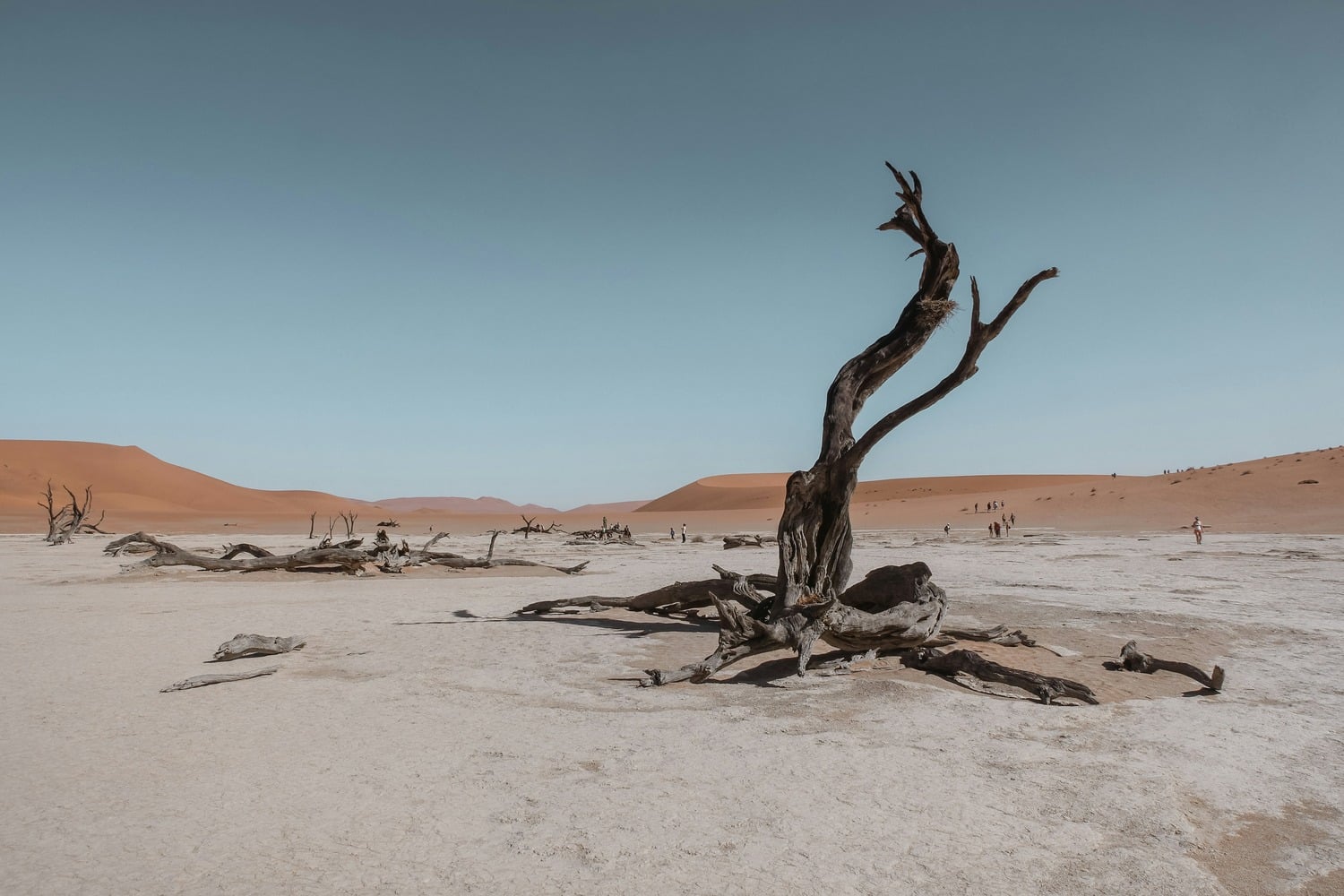
Dead trees are often seen as useless because they do not produce leaves or fruits that are considered beneficial to people. They are most times cut down by people, one to save space for other things they want to accomplish or probably provide safety for them and their household. While all of these are understandable, the actual advantages are being neglected. The dead trees have many beneficial uses and they can also help out in some ways such as preventing erosion. Dead trees that are still standing are called snags while those that have fallen are called logs. They help to keep the ecosystem healthy so cutting them down completely is not advisable.
The Role of Dead Trees
One of the advantages of keeping dead trees is that they provide homes for animals, which include woodpeckers. Some animals use those dead trees to protect themselves from predators. Without the presence of these dead trees, the animals will lose their homes or be given up to predators, disrupting the balance of the eco-system.
Dead trees are important for insects and decomposers. They feed on dead wood and help break it down. While doing so, they recycle nutrients into the soil. When higher animals feed on these insects and decomposers, they release more energy into the environment. If the dead trees are removed, the decomposers lose their homes and the food chain becomes weaker.
As the dead trees slowly decompose, they release nutrients such as nitrogen, phosphorus and potassium into the soil. These nutrients support new plant growth, which includes young trees. Fallen logs help to retain moisture, prevent soil erosion and improve soil structure. In a dry environment, dead wood can act like a sponge, holding water that plants depend on.
Carbon is stored in trees throughout their lives, and when they die, that carbon is not released immediately but gradually. Dead trees release carbon to the environment, gradually to maintain carbon cycles and regulate climate, but if they are cut down or burnt, they release the carbon more quickly than normal, making the climate to be imbalanced or less regulated.
Forest Regeneration is promoted when dead trees are not cut down or burnt. Fallen logs create safe spaces for seedlings to grow by protecting them from adverse conditions of the environment such as wind, strong sunlight and so on. These logs help young plants establish roots and survive harsh conditions. In ecosystems, may not be all, new plants grow directly from a dead tree. Removing them cuts the chain of growth.
The Final Fact
Though dead trees can pose serious risks in urban areas, their invaluable uses should not be neglected. Removing them comes from a place of misunderstanding nature, as nature depends on what is living and what is dead. As outlined earlier, dead trees are as important as living trees, cutting all of them down is dangerous and might upset the ecosystem in which we all live.
Custom Earth Promos Editorial Team publishes practical guides on reusable promotional products and sustainability, drawing on publicly available sources.
Thoughtful ideas. Everyday possibilities.


