

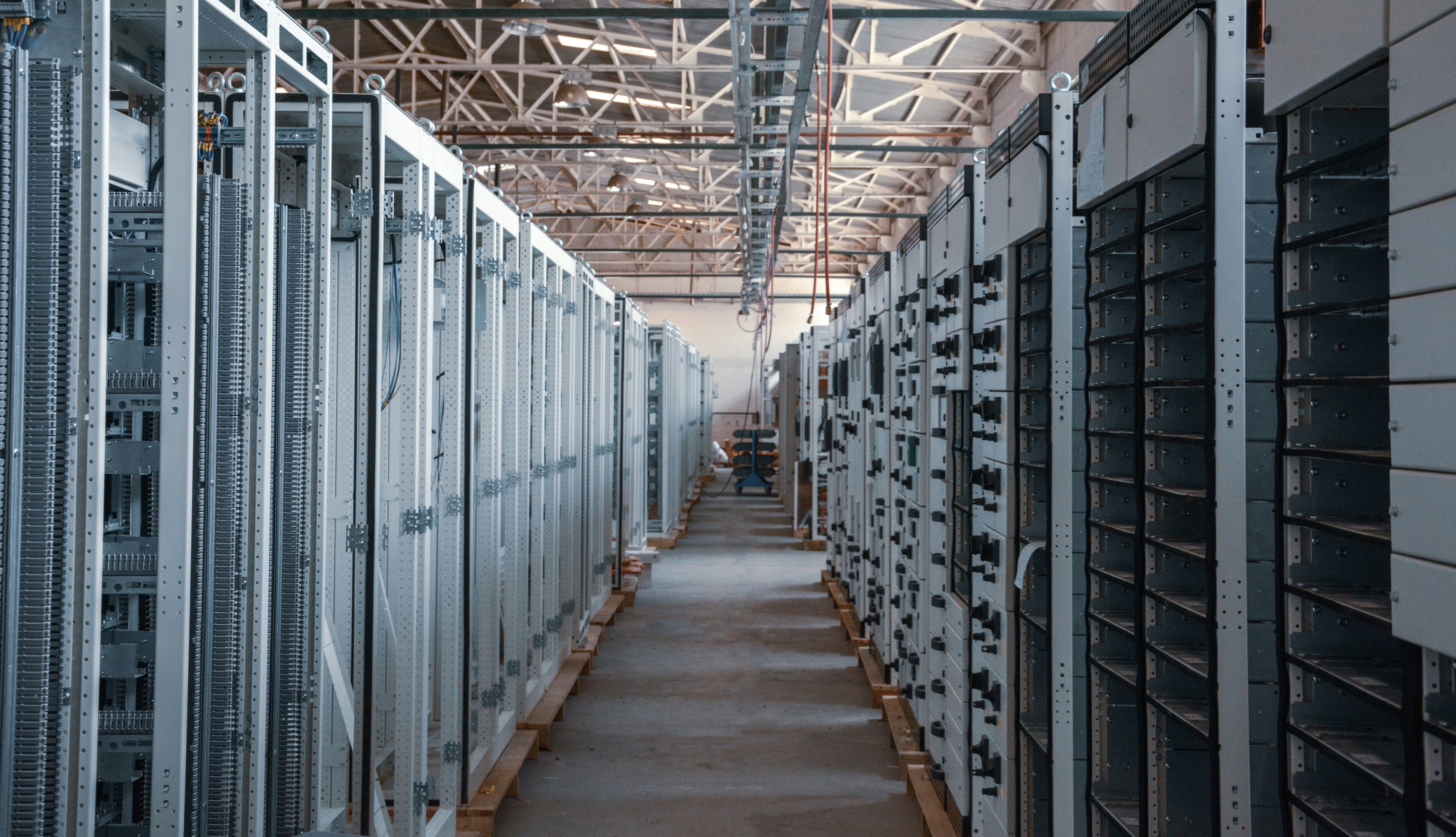
They are both crucial for daily activities in today's era. Email, social media, online banking storage, video streaming, and academic research rely on extensive digital infrastructures for data storage and processing.
A cloud storage service is essential. It allows you to access your business data online. The cloud provider is responsible for regular maintenance and updates and typically manages several data centers in different locations to protect your data from outages and other issues.
Cloud storage may offer many advantages, but it might not be the right fit for every business or industry. A data center is a facility that houses server hardware on the company’s property, allowing you to store and retrieve data through your local network.
Overlooked Environmental Impact of Cloud Storage and Data Centers
Each streamed video, email, or file saved in the cloud relies on a large network of energy-consuming data centers. Cloud storage might appear to be invisible, but its impact on the environment is significant and increasing. Below are some environmental costs of cloud storage and data centers.
1. Energy Usage
A significant portion is directly consumed by servers, which include processors, memory, and storage drives that all need power. Beyond the direct energy use in data centers, there are also indirect environmental consequences.
As data volume grows and processing demands increase, the energy consumption of these servers rises as well. Disposing of outdated hardware generates electronic waste (e-waste), which poses its own environmental challenges if not managed properly.
2. Water Consumption
Certain large scale data centers can use millions of gallons of water each day, prompting worries about sustainability and effects on local communities.
Numerous data centers utilize evaporative cooling systems to regulate server temperatures, which requires a significant amount of water. In areas facing water scarcity, this can put pressure on local supplies and lead to environmental harm.
3. Environment Factors
Data centers in regions with a high percentage of renewable energy have a much smaller carbon footprint than those in areas that depend heavily on fossil fuels. Data centers in colder regions can take advantage of natural cooling by using outside air, which lowers their energy needs for cooling systems.
4. The Rapid Growth of E-Waste
The rising demand for quicker and more efficient computing devices. Older equipment is often discarded, leading to a significant rise in electronic waste. The components found in data centers, such as servers, cooling systems, and networking devices, have a finite life span.
The hidden environmental cost of cloud storage and data centers can be minimized by firstly raising awareness. Reduction of unnecessary data storage, streamlining digital processes, and backing companies with robust environmental commitments can make a difference. Policy could be changed, and industry standards must ensure that the digital revolution does not harm the planet.
In conclusion, as our dependence on digital technologies increases, it is increasingly important to find a balance between technological progress and environmental responsibility. Although cloud storage and data centers provide significant advantages, their environmental impact is quite noticeable. Acknowledging these effects is crucial for adopting more sustainable digital practices.
Custom Earth Promos Editorial Team publishes practical guides on reusable promotional products and sustainability, drawing on publicly available sources.
Thoughtful ideas. Everyday possibilities.


